Dress Doodle Font: A Stylish Choice for Editorial Design
Enhancing Visual Hierarchy and Brand Identity
Its versatility extends beyond headers. It can be used as accent typography in pull quotes, chapter openers, or even as part of a logo design. By incorporating Dress Doodle into your publication’s branding, you create a cohesive visual language that speaks to your audience’s tastes and expectations.
Practical Applications in Publishing
Dress Doodle is particularly well-suited for creative projects that require a touch of whimsy and sophistication. Here are some practical applications:
- Blog Headers: Use Dress Doodle for blog titles to make them stand out on the homepage or within a post.
- Magazine Covers: Incorporate it into cover text or title graphics for a stylish and memorable look.
- Ebook Titles: Apply it to ebook covers or front pages to create an engaging first impression.
- Newsletter Graphics: Utilize it for section headings or callout boxes to add visual interest.
- Printable Guides: Use it for chapter openers or sidebars to break up text and enhance readability.
- Lead Magnets: Employ it in downloadable resources like worksheets or planners to maintain a consistent brand voice.
- Creator Newsletters: Integrate it into email subject lines or signature blocks to reinforce your brand’s visual identity.
Readability and Cross-Platform Compatibility
While Dress Doodle offers a distinctive visual style, it's essential to consider readability across different platforms. On screen, ensure that the font renders clearly on both desktop and mobile devices. In PDF exports, test how it appears alongside body text to maintain balance and clarity. For print, confirm that the font’s decorative elements don’t compromise legibility in smaller sizes.
When using Dress Doodle in longer reading sections, pair it with a readable serif or sans-serif font for body copy. This combination ensures that the content remains accessible while still benefiting from the font’s unique charm.
Font Pairing and Design Flexibility
Font pairing is a key aspect of effective editorial design. Dress Doodle works best when balanced with a complementary typeface. For example, pairing it with a clean sans-serif font like Montserrat or a classic serif like Georgia creates a harmonious contrast that enhances visual appeal.
For captions and navigation elements, a minimalist sans-serif font can provide a clear and modern feel. When designing social media graphics or web layouts, consider how Dress Doodle interacts with other design assets to maintain a cohesive aesthetic.
Commercial Licensing and Legal Considerations
If you're using Dress Doodle for commercial purposes such as ebooks, templates, or paid newsletters, ensure that you have the appropriate licensing. Most premium fonts come with commercial use rights, but always verify the terms of use provided by the font creator.
When working with clients or publishing content for others, check whether the font is included in your design assets. Having access to multiple weights, ligatures, and alternates can also enhance your design flexibility and ensure consistency across various formats.
Conclusion
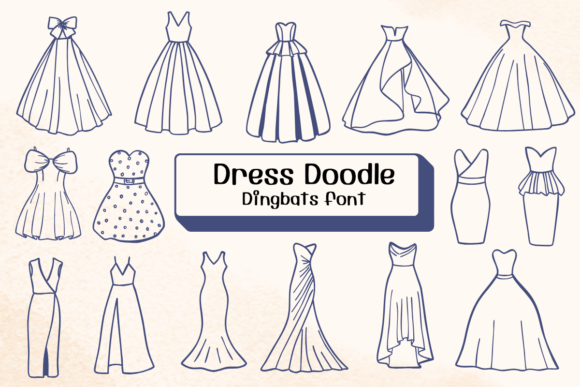
Dress Doodle Font is more than just a decorative option—it's a powerful tool for enhancing editorial design. Its blend of fashion and functionality makes it ideal for a wide range of creative projects, from blog headers to printable guides. By understanding its strengths and limitations, you can leverage Dress Doodle to create visually engaging and reader-friendly content that aligns with your brand identity.